AI Robot Vacuum + HEPA XL Self-Empty Base: Daily Ease
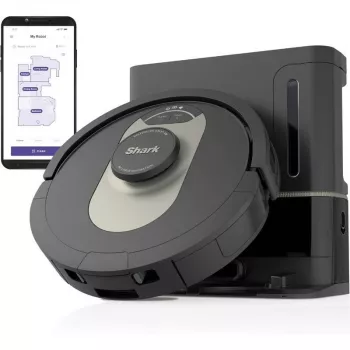
AI Robot Vacuum with XL HEPA Self-Empty Base: Cleaner Floors With Less Daily Upkeep
A robot vacuum with AI navigation and a self-empty base can keep floors consistently clean while reducing hands-on maintenance. An XL HEPA self-empty base setup is built for routines where quick daily pickup matters—crumbs in the kitchen, tracked-in grit by the entryway, and the steady churn of pet hair in living spaces. Below is what to expect day to day, how to set it up for reliable docking and emptying, and which features tend to matter most for dust control and convenience.
What Makes an AI Robot Vacuum Different
Many older robot vacuums clean in semi-random patterns, which can leave gaps and repeat passes in the same spots. AI-assisted navigation is meant to improve coverage by planning more intentional routes, adjusting movement based on what the robot “sees,” and reducing how often it gets stuck.
- AI-assisted navigation focuses on efficient coverage and fewer missed areas compared with random-pattern cleaning.
- Obstacle awareness can reduce interruptions from common items such as cords, shoes, and chair legs (performance varies by model and lighting).
- Mapping support is often paired with room-by-room cleaning, targeted zones, and repeatable routes for consistent results.
- Useful for busy households that want frequent light cleanings to prevent dust buildup between deeper clean days.
In practical terms, AI features are most noticeable when a home has daily “micro messes” rather than occasional big spills. A predictable route plus scheduled runs can keep floors looking steady, so weekly deep cleaning becomes faster and less frequent.
XL HEPA Self-Empty Base: What It Changes Day to Day
The biggest convenience leap is the base itself. Instead of emptying a small onboard bin every run (or every other run in a pet home), the base automatically transfers debris into a larger container. With an XL capacity, you can often go longer between disposals, especially if you’re running the vacuum several times per week.
- The base pulls debris from the robot’s bin into a larger container, reducing how often the robot itself must be emptied.
- HEPA-style filtration is designed to capture fine particles inside the base system, helping keep dust contained during emptying.
- Best fit for homes where daily sweeping would otherwise be needed—pet hair, high foot traffic, or allergy-sensitive spaces.
- Expect some noise during the emptying cycle; scheduling can help avoid disruptions.
Manual Emptying vs Self-Empty Base
| Feature | Manual Bin Emptying | Self-Empty Base (XL + HEPA) |
|---|---|---|
| Hands-on maintenance | Frequent | Less frequent |
| Dust exposure when emptying | Higher | Lower (contained in base) |
| Best for | Small spaces, light debris | Pet hair, high traffic, allergy-aware homes |
| Noise | Lower | Higher during empty cycle |
| Upfront footprint | Minimal | Needs space for the base |
How HEPA Filtration Helps With Fine Dust and Allergens
HEPA filtration is commonly referenced as capturing very small particles, but real-life results depend on the whole system: sealing, airflow routing, and how clean the filters remain. A self-empty base with effective filtration can reduce the “dust puff” that happens when you dump a bin into the trash.
- HEPA filtration is commonly referenced as capturing very small particles; real-world benefit depends on how well the base seals and routes airflow.
- A sealed base and properly seated bag/bin are key to reducing dust puff-back during disposal.
- Routine filter checks matter: clogged filters can reduce suction and efficiency while increasing runtime and noise.
- For allergy-prone households, pairing frequent vacuum runs with good HVAC filtration and regular dusting can improve overall results.
For broader indoor air guidance, the EPA’s overview of air cleaners is a helpful reference: EPA: Guide to Air Cleaners in the Home. For background on HEPA performance standards and design intent, see: NASA: HEPA Filters Fact Sheet.
Performance Considerations: Floors, Rugs, and Pet Hair
Robot vacuum performance varies most when you change surfaces. Hard floors reward strong edge pickup and steady suction. Rugs demand better traction and brush design to pull debris from fibers. Pet hair adds an extra layer: it tangles, clumps, and fills bins quickly.
Setup and Home Readiness Checklist
Maintenance That Keeps It Running Smoothly
A Practical Option to Consider
If the goal is cleaner floors with fewer daily chores, the AI Robot Vacuum with XL HEPA Self-Empty Base is designed for hands-off upkeep with contained debris disposal. It fits routines where you want frequent autonomous cleanings without dumping a bin every day.
For pet households, reducing fur and dander sources can help the vacuum stay ahead of buildup. A dedicated cat space like the Large Cat Tree for Indoor Cats can concentrate lounging (and shedding) in one area, making scheduled cleanings feel more effective.
And if you’re simplifying a busy home’s upkeep overall, low-maintenance decor such as the Artificial Green Plant Ball keeps surfaces looking finished without adding soil spills or fallen leaves to the cleaning routine.
FAQ
How often does a self-empty base need to be emptied or replaced?
It depends on home size, how often the robot runs, and how much debris you generate—especially with pets. Typical signs it’s time include a “full” alert (if supported), reduced emptying performance, lingering odors near the base, or debris not fully transferring during the empty cycle.
Does a HEPA self-empty base help with allergies?
It can help by keeping fine dust more contained during disposal compared with dumping a small bin into the trash. Results vary by sealing and filter condition, so regular filter checks and timely replacements are important to maintain dust capture.
Will an AI robot vacuum work well on both hard floors and rugs?
Many do, but performance depends on suction, brush design, traction, and rug height. For homes with pets or frequent crumbs, scheduling more frequent shorter runs usually improves results on both hard floors and rugs.







Leave a comment