Adjustable Overbed Table: Stable Bedside Work & Meals
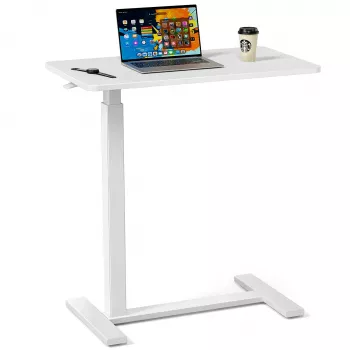
Adjustable Overbed Table for Comfortable Meals, Work, and Recovery
An adjustable overbed table creates a stable surface that rolls into place over a bed or sofa, making everyday tasks easier during recovery, limited mobility, or simply when comfort matters. The right setup helps reduce reaching, improves posture, and keeps essentials within safe reach.
What an adjustable overbed table is used for
Overbed tables aren’t just for hospitals. At home, they can turn a bed or couch into a practical “station” for routines that would otherwise require awkward balancing or repeated trips across the room.
- Meals and drinks in bed with less spill risk than balancing items on blankets
- Laptop work, reading, journaling, puzzles, and crafts while seated or reclining
- Caregiving support for medication organization, wound-care supplies, and light tasks
- Home recovery after surgery or illness when standing and walking are limited
- Extra surface space in small bedrooms, guest rooms, or shared living spaces
If you want a dedicated setup that rolls in close and adjusts to different positions, consider the Adjustable Overbed Table for a simple, flexible surface that’s easy to bring to the bedside.
Features that make day-to-day use easier
Small design differences can change how the table feels during real use—especially when you’re tired, recovering, or working for longer stretches.
- Height adjustment that matches bed height and preferred posture (upright sitting, reclined, or wheelchair use)
- Smooth-rolling casters for positioning, plus wheel locks to prevent drift while typing or eating
- A tabletop size that fits a meal tray or laptop with room for a drink, without feeling oversized in tight spaces
- A stable base designed to slide under most beds and sofas; check clearance if the bed has a low frame or storage drawers
- Edges or a slight rim that help keep items from sliding when the surface is moved
- Materials that wipe clean quickly, especially for households managing spills, hygiene needs, or frequent use
For work sessions, ergonomics matter. OSHA’s workstation guidance is a helpful reference for keeping shoulders relaxed and wrists neutral when using a keyboard and mouse, even if you’re setting up temporarily in bed: OSHA Computer Workstations eTool.
How to set it up for stability and safety
Stability comes from two things: how far the base is positioned under the bed/sofa, and how you manage movement (locks, cords, rugs, and transfers). A few habits can prevent most wobble-and-spill moments.
- Position the base fully under the bed/sofa before placing weight on the tabletop to reduce tipping risk
- Lock the wheels whenever eating, writing, or using a keyboard to stop unwanted rolling
- Keep heavier items near the center of the tabletop; avoid hanging bags or pulling sideways on the surface
- If the table height is adjustable, set it so elbows are comfortably bent for typing and shoulders stay relaxed
- Maintain a clear path for the casters; cords, thick rugs, and clutter can cause sudden stops and spills
- If used around medical equipment (walkers, canes, IV poles), ensure the table doesn’t block transfer paths
If fall risk is a concern during transfers, it helps to treat the base like any other floor obstacle: keep it parked consistently and avoid placing it where someone steps down or pivots. The CDC’s home fall-prevention resources can support a safer room layout: CDC: Preventing Falls at Home.
Comfort tips for work, reading, and meals in bed
Comfort is mostly about distance and height. When the surface is too low or too far away, people compensate by hunching forward, shrugging shoulders, or bending wrists—fatigue builds quickly.
To make a recovery corner feel calmer and less clinical, some people add a simple décor element on a nearby dresser or shelf (rather than on the working surface). A low-maintenance option is the Artificial Green Plant Ball, which can brighten a bedside area without adding watering or cleanup tasks.
Cleaning and upkeep for long-term use
For disinfection frequency and best practices (especially during illness), the CDC’s cleaning and disinfecting guidance is a reliable reference: CDC: Cleaning and Disinfecting Your Facility.
Choosing the right surface for bed-based activities
Quick comparison: overbed table vs common alternatives
| Option | Best for | Limitations |
|---|---|---|
| Adjustable overbed table | Meals, laptop work, hobbies during recovery; close positioning over a bed or sofa | Needs floor space for the base; check bed clearance and caster quality |
| Lap desk | Short sessions with a lightweight laptop or book | Less stable on soft bedding; limited space; can be uncomfortable during long use |
| Bedside tray/TV table | Snacks or reading when sitting near the bed edge | Often doesn’t slide over the bed; may sit too far away for comfortable typing |
When to be cautious
FAQ
Will an adjustable overbed table fit under most beds?
Fit depends on under-bed clearance and the base height. Measure the space from the floor to the lowest point of the bed frame and watch for obstacles like drawers, low side rails, or storage platforms that can block the base.
How much weight can an overbed table hold safely?
Check the product’s rated weight capacity and stay within it for everyday use. Keep heavier items centered and avoid leaning body weight on the tabletop, which can stress joints and increase tipping risk.
Is an overbed table stable enough for typing on a laptop?
Yes, when the base is fully positioned under the bed and the wheel locks are engaged. Adjust the height so elbows stay comfortably bent, and consider a separate mouse to reduce strain and help keep your shoulders relaxed.










Leave a comment