120,000 BTU Outdoor Propane Tankless (5.1 GPM) Guide
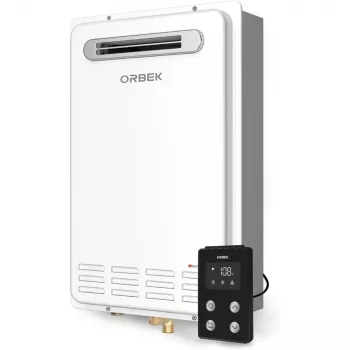
120,000 BTU Outdoor Tankless Propane Water Heater (5.1 GPM): What to Expect From Installation to Daily Use
A 120,000 BTU outdoor tankless propane water heater rated at 5.1 GPM is designed to deliver on-demand hot water without taking up indoor space. The real-world experience depends on temperature rise (how cold your incoming water is), propane supply stability, and how well the outdoor install is protected from wind and freezing conditions. Below is a practical walkthrough of performance expectations, installation basics, and the checkpoints that keep daily operation consistent.
Quick look at the 120,000 BTU 5.1 GPM outdoor unit
Outdoor models place combustion and air intake outside, which can simplify indoor requirements while keeping exhaust out of living space. A 120,000 BTU input is a solid mid-range size that can serve many small-to-moderate homes—especially when hot-water use isn’t stacked across multiple high-flow fixtures at once. The “5.1 GPM” label is a maximum rating under favorable conditions; actual hot-water flow drops as the temperature rise increases.
In day-to-day use, two factors most often decide whether the heater feels “strong” or “fussy”: propane supply (tank/regulator/line sizing) and stable incoming water pressure. If either one is marginal, you may see ignition hiccups, lukewarm water at higher flow, or temperature swings.
| Item | What it means | Why it matters |
|---|---|---|
| 120,000 BTU | Maximum burner input | Higher BTU helps maintain flow during larger temperature rise |
| 5.1 GPM | Peak flow rating under favorable conditions | Real output depends on incoming water temp and setpoint |
| Outdoor installation | Weather-exposed mounting location | Needs freeze strategy and clearances around the unit |
| Propane fuel | Requires correct regulator and line sizing | Undersized gas supply leads to ignition issues and lukewarm water |
Understanding GPM, temperature rise, and usable hot water
GPM is not a promise that you’ll get that flow at any temperature. Tankless ratings are typically tied to a specific temperature rise; when inlet water is colder, the heater must work harder to raise temperature, and usable hot-water flow falls. Planning is easier if you think in “simultaneous uses” rather than chasing a single GPM number.
Typical showerheads often run around 1.8–2.5 GPM, while many bathroom faucets are well under 1.5 GPM. Appliances vary widely by model and cycle—some clothes washers pull hot water in short bursts, which can make a tankless unit feel like it’s constantly ramping up and down.
If water temperature feels inconsistent, check the basics before assuming the heater is too small: fluctuating inlet pressure, mixing-valve behavior at the fixture, an inlet screen that’s catching debris, or propane pressure drop when the burner tries to ramp to high fire.
| Scenario | Approx. total flow | What to watch |
|---|---|---|
| 1 shower | 2.0–2.5 GPM | Should be comfortable in most climates if gas supply is stable |
| Shower + bathroom faucet | 2.3–3.5 GPM | May require lowering shower flow in very cold inlet conditions |
| Two showers | 4.0–5.0 GPM | Most sensitive to winter inlet temperature and propane line sizing |
| Shower + laundry | 3.0–5.0+ GPM | Some washers draw hot in bursts; temperature stability can vary |
Outdoor installation basics: siting, clearances, and mounting
Pick a location with reliable airflow and the clearances required by the manufacturer and local code. Avoid tight alcoves or partially enclosed corners unless the unit is explicitly approved for that layout. Outdoor tankless heaters also last longer when they’re not constantly hit with sprinkler overspray, roof runoff, or drifting snow.
Mount to a solid, non-combustible surface so vibration, slamming doors, or wind gusts don’t stress the water and gas connections. Leave enough room for service access—removing the cover, reaching shutoffs, and cleaning the inlet filter/screen should be straightforward. Finally, minimize long exposed pipe runs outdoors; exposed lines lose heat quickly and are the first to freeze.
Propane supply: tank, regulator, and line sizing checkpoints
For propane, the “heater size” is only part of the story. Your tank must vaporize enough fuel at peak demand, and in cold climates the vaporization rate can drop. Regulator setup must match the heater’s specified inlet pressure, and the gas line must be sized for both BTU load and run length—long runs often need upsizing to avoid pressure drop.
For code and safety guidance, reference the NFPA 54 National Fuel Gas Code and follow local inspection requirements.
Water connections: pressure, scale control, and temperature stability
For efficiency and fixture flow context, see the EPA WaterSense program.
Cold weather and freeze protection for outdoor installs
Start-up and routine maintenance checkpoints
For additional background on demand-type systems, review the U.S. Department of Energy overview of tankless water heaters.
In-stock picks
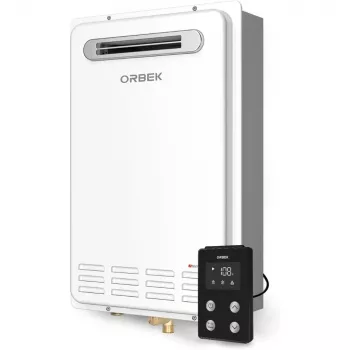
- 120,000 BTU Tankless Propane Water Heater, 5.1 GPM, Outdoor Installation
- Artificial Green Plant Ball
- Large Cat Tree for Indoor Cats
FAQ
Is 5.1 GPM enough for two showers at the same time?
Often yes with efficient showerheads and moderate incoming water temperature. In colder conditions, usable hot-water flow may drop, so reducing flow slightly or staggering shower times can improve comfort.
Can a 120,000 BTU propane tankless heater be installed outdoors in freezing climates?
Yes, as long as freeze protection is planned: insulated and shortened exposed piping runs, approved heat trace when needed, reliable power for built-in protection features, and a clear drain-down/winterization procedure for outages or long absences.
Why does a tankless propane water heater go cold during long showers?
The most common causes are propane pressure drop from an undersized line or regulator, a restricted inlet filter/screen, scale buildup in the heat exchanger, or fluctuating water pressure that disrupts stable burner modulation.







Leave a comment