Rolling Stainless Steel Work Table with Wheels for Prep
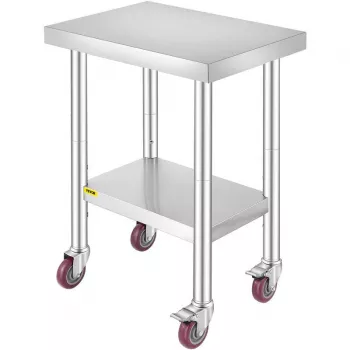
Stainless Steel Kitchen Work Table with Wheels: A Mobile Prep Station That Works Anywhere
A rolling stainless steel work table adds instant workspace without locking the kitchen into a single layout. It’s a practical upgrade for meal prep, small appliances, catering setups, and garage-to-kitchen overflow—combining a wipe-clean surface with easy mobility and stable positioning when locked. When space is tight (or the day’s cooking plan keeps changing), a mobile prep station can feel like adding a whole new counter without touching your cabinets.
Why a rolling stainless steel work table belongs in a busy kitchen
Most kitchens don’t lack cookware—they lack clear, usable surfaces at the exact moment you need them. A stainless steel table on wheels solves that problem with flexible placement and a durable top that stands up to daily routines.
- Adds flexible counter space for prep, plating, and small appliances without remodeling.
- Rolls where needed: beside the stove during cooking, near the sink for washing and trimming, or out of the way for cleaning.
- Stainless steel resists moisture, many stains, and odors, making it well-suited for food-contact work.
- Helpful beyond the kitchen: pantry overflow, beverage station, craft workspace, or grilling prep area.
For sanitation-minded households, stainless is also a familiar standard in commercial environments. Practical cleaning and food-safety basics are well covered by the CDC’s food safety guidance, and cleaning/sanitation principles are outlined in the U.S. FDA Food Code.
What to look for before buying
Two rolling tables can look similar online but feel very different in daily use. Focus on fit, mobility hardware, and frame rigidity—those details decide whether the table feels like an upgrade or a nuisance.
- Overall size: Match length/width to the available aisle space and turning radius. Leave room to pass with the dishwasher door open and the fridge swung wide.
- Height and ergonomics: Choose a working height that reduces wrist and back strain for the primary users. If you do lots of chopping, comfortable height matters more than “maximum storage.”
- Wheel quality: Smooth-rolling casters for tile/wood; larger casters for thresholds and uneven floors. Confirm the locking mechanism is easy to engage with a toe.
- Stability: The table should feel rigid when pushed from the side; prefer designs with strong leg bracing and secure fasteners.
- Shelf needs: A lower shelf helps store bins, mixers, or frequently used cookware while keeping the top clear.
- Edge details: Rounded corners and rolled edges reduce snags and make wipe-down easier.
- Noise and vibration: Casters and frame construction affect rattling when moving over grout lines.
At-a-glance comparison: fixed table vs. rolling table
Both styles add workspace, but they shine in different kitchens. Rolling models prioritize flexibility; fixed models prioritize maximum rigidity and permanent placement.
| Feature | Rolling table with wheels | Fixed table (no wheels) |
|---|---|---|
| Best for | Changing layouts, multi-use rooms, shared spaces | Dedicated prep zones, heavy equipment stations |
| Mobility | Moves easily; lock casters to hold position | Stays put; repositioning takes effort |
| Stability | Very stable when locked (varies by caster/frame quality) | Typically most stable |
| Cleaning access | Easy to roll and clean behind/under | Harder to reach behind/under |
| Space efficiency | Can be tucked away when not needed | Always occupies the same footprint |
Featured option: Stainless Steel Kitchen Work Table with Wheels
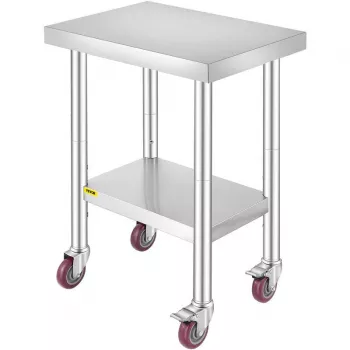
If the goal is practical workspace that can move on demand, the Stainless Steel Kitchen Work Table with Wheels is a straightforward way to add a dedicated prep surface without permanent changes. It’s designed to roll into position when you’re cooking or hosting, then park neatly when you need floor space back.
- Mobile stainless work surface designed for quick repositioning around the kitchen.
- Useful as a prep station, appliance stand, serving cart, or overflow counter during gatherings.
- Pairs well with stackable containers on the lower area (if included) to keep the top clear.
- Accessible price point for adding workspace without remodeling.
For entertaining setups, finishing touches matter too. A simple decor element—like an Artificial Green Plant Ball—can soften a stainless-and-appliance look on a beverage station or buffet line without adding maintenance.
Where this table tends to shine
- Small kitchens: Create a temporary island that rolls away after prep, keeping the center aisle usable.
- Meal prep and batch cooking: Stage ingredients on top and store tools below so the main counters stay uncluttered.
- Entertaining: Set up a drink or appetizer station that can move from kitchen to dining area as guests circulate.
- Outdoor cooking support (covered areas): Keep trays and utensils organized near the grill, then roll back inside when finished.
Setup, care, and safe use
A rolling work table performs best when it’s assembled square and used with the same discipline as any other “work zone” in the kitchen.
Common mistakes to avoid (and quick fixes)
FAQ
Do the wheels lock well enough for chopping and mixing?
Locking casters are built to prevent rolling, and they’re typically stable for chopping and mixing when engaged. For best results, lock at least two wheels (or all wheels if your model supports it) and use the table on a level surface with a rigid, well-braced frame.
How is stainless steel best cleaned for food prep use?
Use mild dish soap with warm water, then rinse and dry to reduce spotting. Avoid abrasive scrubbers; wiping with the grain helps keep the finish looking consistent, and a stainless cleaner can be used occasionally for fingerprints.
Will a rolling work table damage hardwood or tile floors?
It usually won’t if the casters are appropriate for the surface and kept clean. Choose non-marking wheels when possible, remove grit from the casters regularly, and consider a thin floor mat or runner in high-traffic paths to protect delicate flooring.










Leave a comment