Creative Owl Ceramic Plant Pot for Cozy Small Spaces
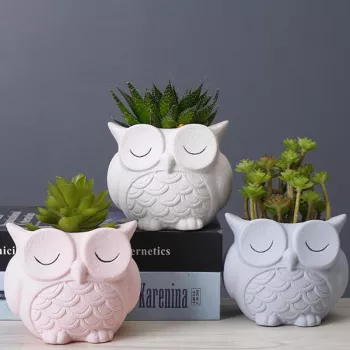
Creative Owl Ceramic Plant Pot: A Playful Accent for Small Plants and Cozy Spaces
A ceramic planter can do more than hold a plant—it can add personality, texture, and a focal point to a shelf, desk, or windowsill. The Creative Owl Ceramic Plant Pot pairs a whimsical owl shape with the clean look and satisfying weight of ceramic, making it a charming choice for small houseplants, succulents, or even a simple dried arrangement. In compact rooms where every item has to earn its place, a character planter can feel like decor first and a container second.
What makes the owl design work in real rooms
The owl silhouette adds a friendly, character-like accent without overwhelming a space—especially helpful in small apartments, dorms, and home offices where visual clutter builds quickly. Because the design is playful but not loud, it pairs easily with modern neutral palettes, cottage touches, boho textures, and even kids’ rooms where a softer “theme” reads intentional.
Placed on an entry table, bookcase, or kitchen windowsill, it naturally becomes a conversation piece. It also works well as a giftable item: plant lovers appreciate a pot that looks good even when the plant is tiny, and it’s an easy pick for teachers, birthdays, and housewarming occasions.
Ceramic benefits: stability, finish, and everyday feel
Ceramic has a few practical advantages that show up in day-to-day use. First, it provides a sturdy base that helps reduce tipping—especially on narrow shelves or crowded desks. That extra weight can matter if you have pets, active kids, or simply a habit of bumping the corner of a side table.
Second, glazed ceramic surfaces are typically easier to wipe clean than porous materials. Dust, splashes, and soil smudges come off with a soft cloth, keeping the pot looking like decor instead of “just a container.” Finally, ceramic tends to buffer small temperature swings better than thin plastic, which can help a bit in bright windows where surfaces heat up and cool down quickly.
Sizing and placement: choosing the right spot before planting
Before you pot anything up, decide where the planter will live and measure that space. A desk corner might need a compact footprint; a windowsill might need shallow depth; a shelf might need extra height clearance so leaves aren’t pressed against the next shelf up.
Leave a little breathing room around the pot for watering and airflow around the foliage. Many small plants do best in bright, indirect light, which also reduces harsh heat on ceramic when placed close to glass. If you’re styling it on wood furniture, use a saucer, coaster, or protective pad to prevent moisture rings.
Quick placement checklist
| Location | Light level | Good plant matches | Notes |
|---|---|---|---|
| Desk or bedside table | Low to medium indirect | Pothos cuttings, snake plant pup, ZZ start | Use a tray to catch drips; rotate weekly for even growth |
| Kitchen windowsill | Bright indirect to gentle morning sun | Herb starts, small succulents | Avoid intense midday sun that can overheat small pots |
| Bathroom shelf | Medium indirect (if there’s a window) | Ferns, peace lily start | Higher humidity helps, but don’t let water sit under the pot |
| Bookshelf or entry console | Medium indirect | Succulents, hoya cuttings | Consider a low-maintenance plant if the spot is easy to forget |
Plant pairings that look great in a small ceramic pot
The best match is a plant that stays relatively compact and looks balanced with a sculptural pot. Succulents are classic here: compact rosettes (like echeveria), haworthia, and small aloe varieties keep a neat silhouette and won’t visually fight the owl shape.
If you prefer movement, trailing mini-plants like string of hearts or small pothos cuttings add a gentle cascade without requiring a large container. For airier texture, peperomia and small pilea varieties bring lighter foliage that complements the rounded owl form.
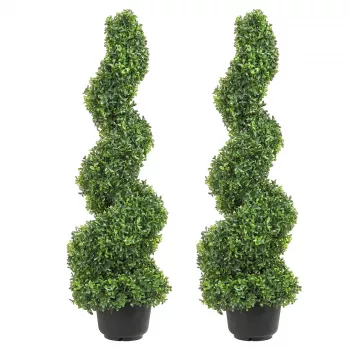
No time for upkeep? A no-water option can still deliver the look. A faux stem or mini arrangement can be swapped seasonally, and it pairs especially well with a more “always tidy” accent like an Artificial Green Plant Ball nearby to fill out a shelf or console without adding watering to your routine.
Watering, drainage, and protecting surfaces
For succulents, use a gritty, fast-draining mix and water only when the soil is fully dry. If you’re learning your plant’s rhythm, it can help to follow established indoor-plant guidance from sources like the Royal Horticultural Society and the University of Minnesota Extension.
Care and cleaning for a ceramic planter
Styling ideas: small touches that make it look curated
Product snapshot
- Name: Creative Owl Ceramic Plant Pot
- Price: $23.97 (USD)
- Availability: In stock
FAQ
Does a ceramic plant pot need a drainage hole?
A drainage hole is best for most plants because it helps excess water escape and reduces the chance of waterlogged roots. If there’s no hole, use the pot as a cachepot with a nursery pot inside and water at the sink so you can fully drain before returning it to the decorative planter.
What plants are best for a small ceramic pot like this?
Great options include compact succulents, peperomia, small pothos cuttings, and starter-sized snake plant or ZZ plant divisions. Choose slower-growing plants that match the light in your space so they stay proportionate and healthy.
How do you prevent water stains on shelves or desks?
Place the pot on a saucer, waterproof tray, or coaster and wipe up any condensation promptly. Watering at the sink and letting excess moisture drain before putting the pot back in place also helps prevent rings and stains.









Leave a comment