Smokeless Indoor Grill: Adjustable Heat, Easy Cleanup
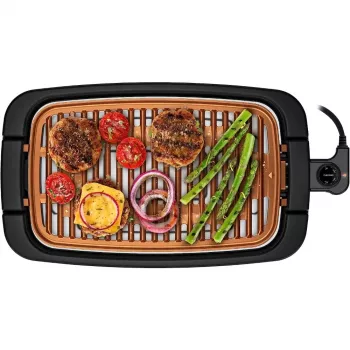
Smokeless Indoor Electric Grill: Adjustable Temperature Control and Easy-Clean Nonstick Parts
Indoor grilling can deliver that craveable sear and char without turning the kitchen into a smoke zone. A smokeless indoor electric grill is built to keep cooking cleaner and more controlled, pairing adjustable temperature control with nonstick, easy-clean parts that make weeknight dinners feel doable. For small spaces, apartment living, or year-round grilling when the weather won’t cooperate, it’s a practical way to keep grilled meals on the menu.
What Makes a Grill “Smokeless” Indoors
“Smokeless” doesn’t mean zero smoke in every scenario—it usually means a reduced-smoke setup designed to limit grease from hitting intense heat and burning. Many indoor electric grills use a controlled heating system, a drip tray to catch rendered fat, and airflow patterns that help keep smoke and odors down.
- Reduced-smoke design typically relies on controlled heat, a drip tray, and airflow that limits grease burning.
- Keeping fat away from the heating element helps prevent flare-ups and visible smoke.
- Best results come from trimming excess fat and wiping marinades with high sugar before high-heat searing.
- Ventilation still matters: use a range hood or crack a window for the cleanest indoor experience (the EPA offers practical indoor air quality guidance for reducing indoor pollutants: https://www.epa.gov/indoor-air-quality-iaq).
For especially smoky ingredients (very fatty steaks, heavily oiled foods, sugary glazes), consider using a slightly lower heat and finishing with a quick sear at the end to reduce the time fat and sauce spend near maximum temperatures.
Adjustable Temperature Control: Why It Matters
One of the biggest advantages of an indoor electric grill is the ability to dial in heat more precisely than a typical stovetop pan. Adjustable temperature control helps you cook a wider range of foods—without guessing and without scorching sauces or drying out lean proteins.
- Lower heat supports delicate foods like fish, vegetables, and reheating cooked items without drying them out.
- Medium heat works well for chicken pieces, kebabs, and sausages where steady cooking is key.
- Higher heat is useful for browning and grill marks on steaks, burgers, and thicker cuts (finish to safe internal temperatures).
- A consistent temperature reduces sticking and helps prevent scorched sauces.
Suggested Heat Settings by Food Type
| Food | Heat level | Notes |
|---|---|---|
| Vegetables (zucchini, peppers) | Low–Medium | Light oiling helps browning; turn often for even color |
| Fish fillets | Low | Preheat, then cook gently to avoid breakage |
| Chicken (boneless) | Medium | Cook through; avoid overly high heat that browns outside too fast |
| Burgers | Medium–High | Preheat fully; flip once for better crust |
| Steak | High (then adjust) | Sear first; reduce to finish evenly and avoid excessive smoke |
For food safety, internal temperature is the real finish line. Keep a thermometer handy and use the USDA’s safe minimum internal temperature chart as a reference: https://www.fsis.usda.gov/food-safety/safe-food-handling-and-preparation/food-safety-basics/safe-temperature-chart.
Nonstick Parts and Cleanup: The Time-Saver Factor
Nonstick surfaces can be a game-changer for indoor grilling, especially when you’re cooking delicate foods or using sticky marinades. Instead of scraping and scrubbing, the goal is quick release, minimal oil, and easy wash-up.
- Nonstick grilling surfaces help release foods with less added oil, especially eggs, fish, and marinated items.
- Removable parts simplify cleanup—cool down, detach, and wash according to care instructions.
- Avoid metal utensils to protect the coating; use silicone, nylon, or wood tools.
- Wipe the surface while warm (not hot) to prevent residue from hardening.
A simple routine helps: preheat properly, lightly oil food (not the surface when possible), and clear drippings as you cook so they don’t carbonize and cling.
Everyday Cooking Ideas That Fit an Indoor Grill
Indoor grilling shines when meals need to be fast, flexible, and repeatable. Once you get the hang of preheating and spacing your food, it’s easy to build a weekly rotation that doesn’t feel repetitive.
Safety and Good Habits for Indoor Grilling
Product Spotlight: Smokeless Indoor Electric Grill with Adjustable Temperature Control
If the goal is lower-smoke indoor grilling with simple controls and easier cleanup, Smokeless Indoor Electric Grill with Adjustable Temperature Control, Nonstick Parts is designed to keep cooking approachable—from gentle heat for vegetables and fish to higher-heat browning when you want a more grilled finish. Nonstick, easy-clean parts help reduce the friction of cooking at home, especially for busy schedules and smaller kitchens.
At-a-Glance Details
| Item | Detail |
|---|---|
| Product | Smokeless Indoor Electric Grill with Adjustable Temperature Control, Nonstick Parts |
| Price | 43.01 USD |
| Availability | In stock |
| Store page | View product |
More In-Stock Home Picks
- Large Cat Tree for Indoor Cats for giving indoor pets vertical space and enrichment.
- Artificial Green Plant Ball to add greenery without watering or sunlight requirements.
- Guess Women’s Blue Cotton Jeans as an everyday wardrobe staple.
FAQ
Does a smokeless indoor grill eliminate smoke completely?
No—most “smokeless” indoor grills are designed to reduce smoke, not eliminate it in every situation. Fatty foods, sugary marinades, and very high heat can still create some smoke, so trimming excess fat and using basic ventilation helps.
How should nonstick grill parts be cleaned without damaging the coating?
Let the parts cool, then wash removable components with a soft sponge and mild dish soap. Avoid abrasive pads and metal utensils; if residue is stuck, soaking removable pieces briefly can help loosen it without scraping.
What temperature should be used for burgers, chicken, and vegetables?
Vegetables usually do best on low to medium heat, chicken on medium heat to cook through evenly, and burgers on medium-high for better browning. Preheat the grill and rely on a food thermometer for safe internal temperatures rather than dial settings alone.











Leave a comment