Quiet Brushless Cordless Vacuum for Apartments & Pets
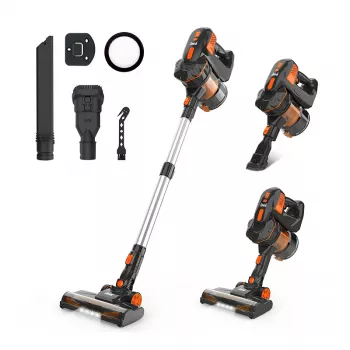
Powerful Cordless Vacuum Cleaner with Brushless Motor and Ultra Quiet Performance
For noise-sensitive homes—apartments, late-night cleanups, sleeping kids, or easily startled pets—a cordless vacuum that balances strong pickup with a calmer sound profile can make daily tidying feel easier. The Powerful Cordless Vacuum Cleaner with Brushless Motor and Ultra Quiet Performance pairs a brushless motor with an ultra-quiet approach, aiming for efficient suction, convenient handling, and routine maintenance that doesn’t become a chore.
Who This Vacuum Fits Best
- Apartment and condo living where loud cleaning can be disruptive to neighbors
- Homes with pets or young children where lower noise helps reduce stress during cleanup
- Quick daily pickups (crumbs, tracked-in debris) without dragging out a corded machine
- Users who prefer lightweight, grab-and-go cleaning over deep-clean sessions with heavy uprights
If “clean a little, often” matches the way your home actually gets messy, a cordless design tends to get used more consistently—especially when it’s easy to grab and doesn’t sound like a power tool.
Why a Brushless Motor Matters
Motor design affects more than raw suction. A brushless motor is typically built for efficient power delivery, which helps the vacuum maintain consistent performance during typical household use.
- Reduced internal friction can support smoother operation and potentially less heat buildup during longer cleaning sessions.
- Often associated with stable RPM control, which can help the vacuum respond better when moving between surfaces.
- A brushless design can contribute to a quieter overall feel compared with some brushed alternatives, depending on the full airflow and housing design.
In day-to-day terms, that can translate into a vacuum that feels steady rather than “revvy,” especially when going from hard floors to rugs or switching attachments for furniture and corners.
Ultra Quiet Performance in Real Life
“Quiet” is practical when it helps you keep routines intact: early mornings, evenings, shared walls, and nap schedules. Lower perceived noise can also make it easier to clean more frequently, which reduces the need for long, high-power sessions.
- Noise is influenced by airflow path, seals, and motor housing—not only motor type—so practical quietness also depends on how well parts fit and how filters are maintained.
- Keeping filters clean and bins emptied helps avoid the high-pitched strain that can increase noise as airflow gets restricted.
- Use targeted attachments for edges and furniture to reduce the time spent on high power settings.
Clean airflow is the simplest “quiet upgrade.” When air can move freely, the vacuum doesn’t have to work as hard—and the sound often stays smoother instead of sharp or whistling.
Cordless Convenience and Handling
Cordless format supports room-to-room movement without stopping to swap outlets. That sounds minor until you’re doing fast passes through a kitchen, entryway, or hallway—then it becomes the difference between cleaning now and putting it off.
- A streamlined body is helpful for tight spaces like stairs, hallways, car interiors, and under furniture.
- Spot-cleaning becomes more realistic: small messes can be handled immediately rather than postponed.
- Storage considerations: choose a consistent place to keep the vacuum accessible so it’s used more often.
For battery-powered products, basic safety and storage habits matter. For guidance on handling and charging lithium-ion devices, refer to the U.S. Consumer Product Safety Commission’s lithium-ion battery safety recommendations.
Floor Types, Messes, and Everyday Use Cases
Real homes are mixed-surface environments. A practical cordless vacuum should handle daily variety without requiring a “whole production” to get results.
If pet-related mess is part of your daily life, pairing a calm cleaning routine with a dedicated pet space can help reduce the “fur drift” between rooms. A stable perch like the Large Cat Tree for Indoor Cats can encourage lounging in one area instead of everywhere at once.
Filtration and Airflow Basics
For broader guidance on keeping indoor environments healthier, the EPA’s Indoor Air Quality resources are a helpful reference point—especially if you’re balancing cleaning with sensitivity to dust.
Maintenance That Keeps Performance Steady
A simple home routine also reduces what the vacuum has to pick up in the first place. If you’re trying to keep floors cleaner between runs, easy-to-rinse décor in entry areas can help visually “hold” a space together while you manage daily dust. For a low-maintenance accent, consider the Artificial Green Plant Ball.
Quick Specs and Purchase Snapshot
| Item | Details |
|---|---|
| Product | Powerful Cordless Vacuum Cleaner with Brushless Motor and Ultra Quiet Performance |
| Motor type | Brushless (listed) |
| Noise approach | Ultra quiet performance (listed) |
| Power format | Cordless |
| Price | 85.67 USD |
| Availability | In stock |
| Product page | View product |
FAQ
Does a brushless motor make a vacuum quieter?
It can reduce certain mechanical noise because brushless designs typically have less internal friction, but total loudness also depends on airflow design, seals, and how clean the filters are. Keeping filters clean and airflow unobstructed helps maintain consistently quiet operation.
What should be done if suction drops over time?
Start by emptying the bin, then clean and fully dry the filters according to the manual, and check the wand and attachments for clogs. Also inspect seals and connections, since restricted airflow can reduce pickup and often makes the vacuum sound louder or higher-pitched.
Is a quieter cordless vacuum still strong enough for pet hair?
Pet hair pickup depends on airflow, using the right attachment for upholstery and edges, and consistent maintenance to prevent blockages. Frequent light cleanups usually work better than waiting for heavy buildup, especially in high-shed seasons.








Leave a comment